.svg)


%201.svg)

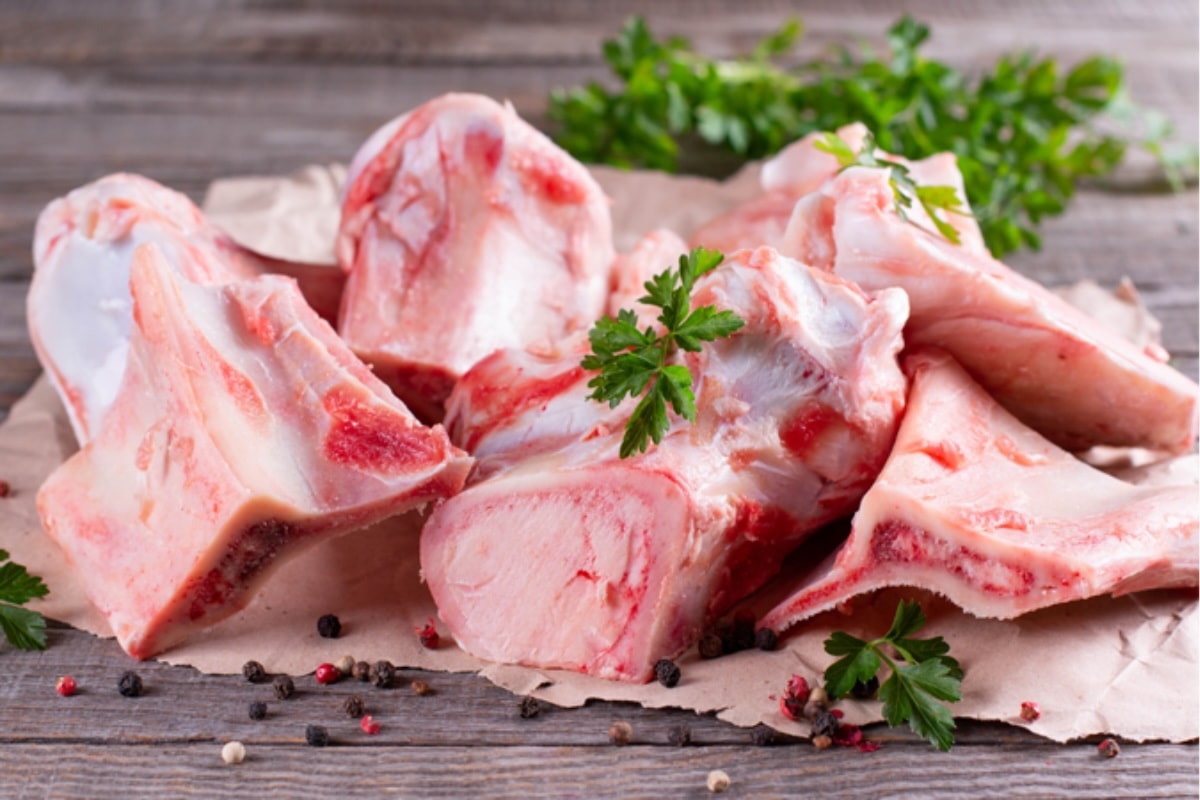

At Grange Meat Co., we believe that real cooking is about reducing waste. That includes beef bones, which are one of the most flavourful and versatile ingredients in any home cook’s arsenal.
Beef bones have been used for centuries in kitchens across the world to create rich stocks, nourishing broths, decadent marrow dishes, and hearty stews. Today, more home cooks are rediscovering just how valuable beef bones can be.
Whether you’re slow-cooking a broth, roasting marrow, or preparing a deep, rich sauce, beef bones offer enormous flavour and nutritional benefits. Here’s everything you need to know to make the most of them at home.
The different types of beef bones
Not all beef bones serve the same purpose. Understanding the types available can help you select the best ones for your cooking. You can find a full range of high-quality beef bones at Grange Meat Co. online or in-store.
Common types of beef bones include:
- Marrow bones: These contain the soft, buttery interior that is excellent for roasting or adding richness to stocks.
- Knuckle bones: High in collagen, these are ideal for making thick, nutrient-dense bone broth.
- Shank bones: Contain both marrow and connective tissue, perfect for slow-cooking dishes and hearty stews.
- Neck bones: Contain both meat and bone, making them excellent for soups and braises where you want meat falling off the bone.
Making beef stock from scratch
Beef stock is one of the most common uses for beef bones. It forms the base for countless soups, sauces, and stews and delivers far more flavour than anything you can buy pre-packaged.
To make stock at home:
- Preheat your oven to 200°C.
- Roast your bones for 30 to 40 minutes to enhance their depth of flavour.
- Transfer the roasted bones to a large stockpot and cover with cold water.
- Add aromatic vegetables like carrots, onions, celery, garlic, and fresh herbs such as bay leaves, thyme, and parsley.
- Bring to a gentle simmer, skimming off any foam that rises to the surface.
- Leave to simmer gently for 8 to 12 hours to draw out the full flavour, collagen, and nutrients.
Once cooled and strained, your stock can be stored in the fridge for up to a week or frozen for several months.
For the best results, purchase premium beef bones directly from Grange Meat Co. We can get your stock project off to the best possible start.
Cooking bone broth for health and wellness
Bone broth has become hugely popular for its nutritional benefits. Long, slow cooking releases not just flavour but a high concentration of collagen, gelatin, and minerals that may support joint, skin, and gut health.
The method is similar to stock, but you’ll simmer it for longer, usually 18 to 24 hours. Adding a small amount of apple cider vinegar at the start helps to extract even more nutrients from the bones. Many home cooks portion their broth into small containers or ice cube trays so they always have a nourishing addition ready for soups, sauces, or sipping on its own.
When selecting bones for bone broth, look for a combination of knuckle bones, marrow bones, and meaty shank bones to achieve the ideal balance of flavour and nutrition.
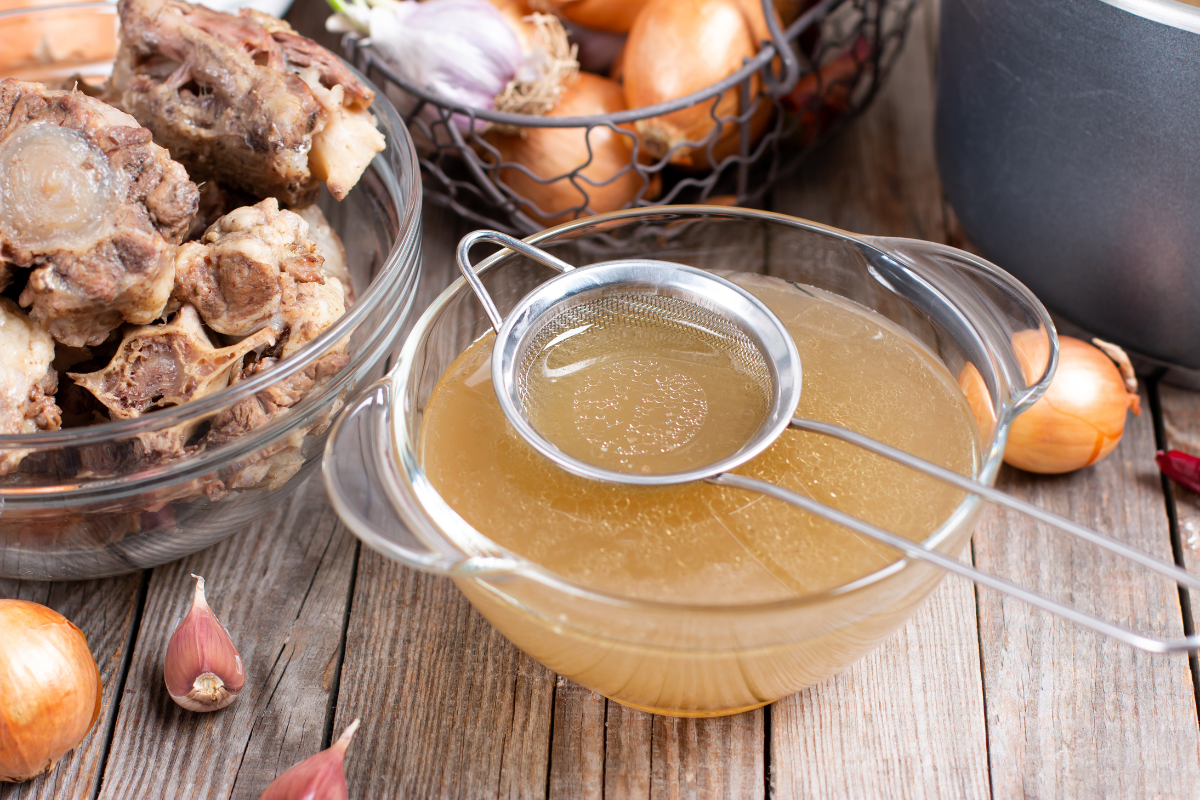
(Image: Beef bone broth)
Roasting marrow bones
Few things feel as decadent as roasted marrow bones. Marrow has a silky, almost buttery consistency with a rich, savoury flavour that spreads perfectly over toasted bread.
To roast marrow bones:
- Preheat the oven to 220°C.
- Place centre-cut marrow bones upright in a roasting pan.
- Roast for 15 to 20 minutes until the marrow becomes soft and bubbly.
- Serve hot, scooped onto toasted sourdough with a pinch of sea salt, cracked pepper, and fresh parsley.
For an extra treat, serve your roasted marrow alongside a few slices of our smallgoods prosciutto or a side salad with sharp vinaigrette to balance the richness.
Building stews, braises, and slow-cooked dishes
Beef bones are a home cook’s secret weapon when it comes to flavouring slow-cooked meals. Cuts like beef osso buco, which contain bone, marrow, and meat, create rich, gelatinous sauces as they braise.
For a simple beef stew:
- Brown osso buco or shank bones in a heavy pot.
- Add diced carrots, celery, onion, garlic, and tomato paste.
- Pour in stock or red wine and simmer gently for several hours until the meat is tender and falling off the bone.
The marrow will melt into the sauce, thickening it naturally and creating a luxurious mouthfeel that’s impossible to replicate with packaged stock cubes.
Using beef bones for sauces and reductions
Even when you’ve already made stock or broth, bones continue to contribute flavour to gravies and reductions. For pan sauces after searing a steak or roast, a ladle of your homemade stock can deglaze the pan beautifully, creating a rich sauce with concentrated beef flavour.
Having stock made from high-quality beef bones on hand allows you to quickly elevate simple meals into restaurant-quality dishes.
Preserving and storing your beef bones
One of the great advantages of beef bones is how well they store. At Grange Meat Co., we offer fresh and frozen options available through our beef bones page, making it easy to stock up.
At home:
- Store fresh bones in the fridge for up to three days.
- Freeze bones in sealed bags or containers for up to six months.
- When ready to use, thaw overnight in the fridge for best results.
Stock and bone broth can also be frozen in smaller portions to make them easy to access when you need a flavour boost midweek.
Why home cooks love beef bones
There’s a reason professional kitchens always keep beef bones on hand. They’re one of the most cost-effective ways to add depth of flavour, create nourishing meals, and minimise food waste. For home cooks, beef bones provide both value and versatility.
You can:
- Roast marrow bones for entertaining or appetisers.
- Simmer stock or bone broth for everyday cooking.
- Slow-cook hearty stews and casseroles.
- Create rich gravies and sauces.
- Incorporate bone broth into health routines.
At Grange Meat Co., we’re proud to help more Melbourne home cooks rediscover how rewarding and simple it is to work with beef bones.
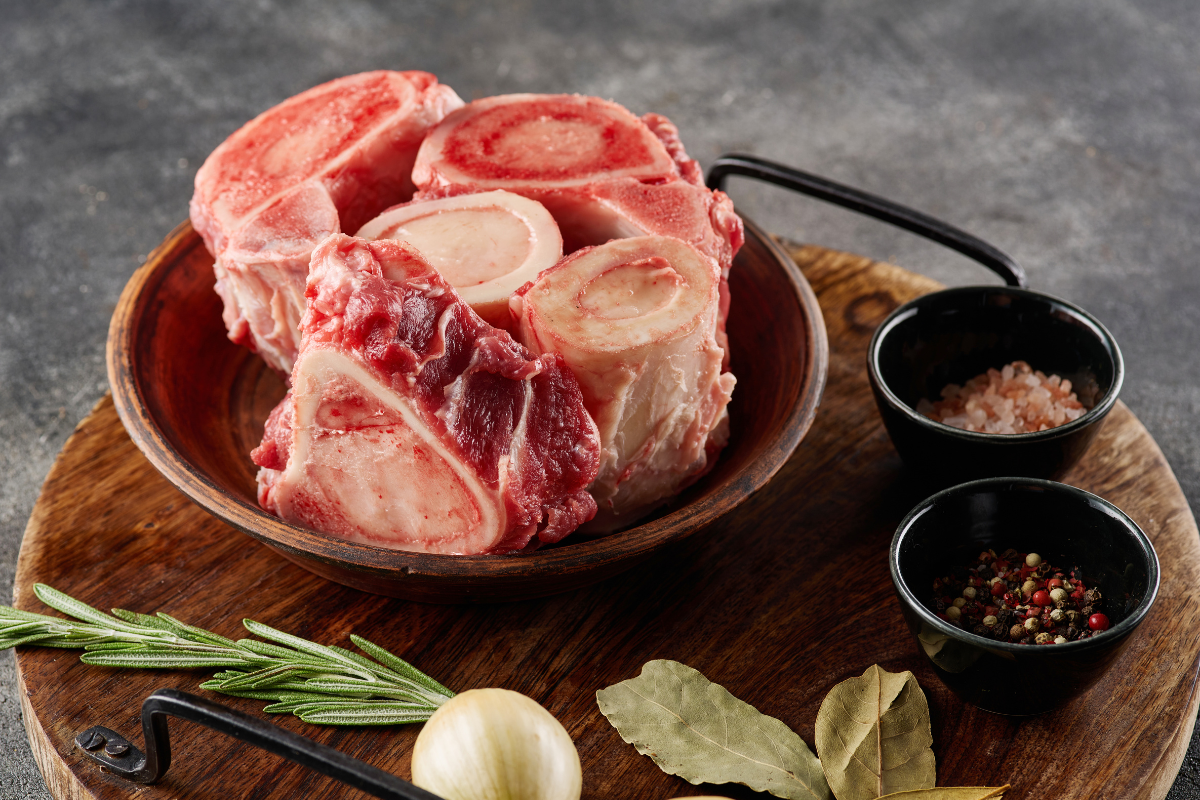
(Image: Beef bone uses)
Where to buy beef bones in Melbourne
You can purchase premium-quality beef bones directly through our beef bones product page, with free delivery available across metro Melbourne on orders over $150. You’re also welcome to visit us in-store at our Alphington butcher shop to speak with one of our experienced butchers, who can guide you on the best bones to suit your recipes.
Unlock the full potential of beef bones
Beef bones offer home cooks an incredible opportunity to build flavour, nourish the body, and explore traditional cooking techniques that never go out of style. Whether you’re roasting marrow, making a slow-simmered broth, or building a rich beef stew, the right bones make all the difference.
